
Safe Flood Clean Up Tips
Safe Flood Cleanup Tips
Once floodwaters recede or heavy rain stops, property owners can take several important steps to reduce damage and protect their health. Flood cleanup can be dangerous, especially when contaminated water is involved, so safety should always come first.
Use Caution When Re-Entering a Flooded Building
Before entering a flooded home or business, make sure the electrical power is turned off. Floodwater can damage wiring and create serious shock hazards. Inspect the structure carefully to ensure it is stable before entering or attempting to secure the property.
Protect Yourself During Flood Cleanup
Always think safety first. Flood cleanup often exposes people to sewage-contaminated water (black water), bacteria, and harmful debris. Wear proper personal protective equipment (PPE), including:
-
Eye protection
-
Protective gloves and clothing
-
Respirators or masks
-
Waterproof boots
Ensure the area is well ventilated when working indoors to reduce exposure to airborne contaminants and mold spores.
Be Aware of Contaminated Floodwater
Flooding frequently involves sewer backups or contaminated surface water. Even water that appears clean may contain harmful microorganisms. Avoid direct contact with floodwater whenever possible and disinfect tools and equipment after use.
Know What Items Must Be Discarded
Porous materials that absorb contaminated floodwater should be safely disposed of to prevent health risks and cross-contamination. In most cases, the following materials cannot be safely restored:
-
Drywall
-
Carpet and carpet padding
-
Upholstered furniture
-
Insulation and porous wood products
Attempting to save contaminated porous materials can lead to mold growth and ongoing indoor air quality issues.
When to Call a Professional Flood Cleanup Company
Flood damage cleanup can quickly become overwhelming and hazardous. Professional flood restoration teams have the training and equipment needed to safely remove water, dry affected materials, and sanitize the property to prevent mold and bacteria growth.

Flood Clean Up After Water Damage
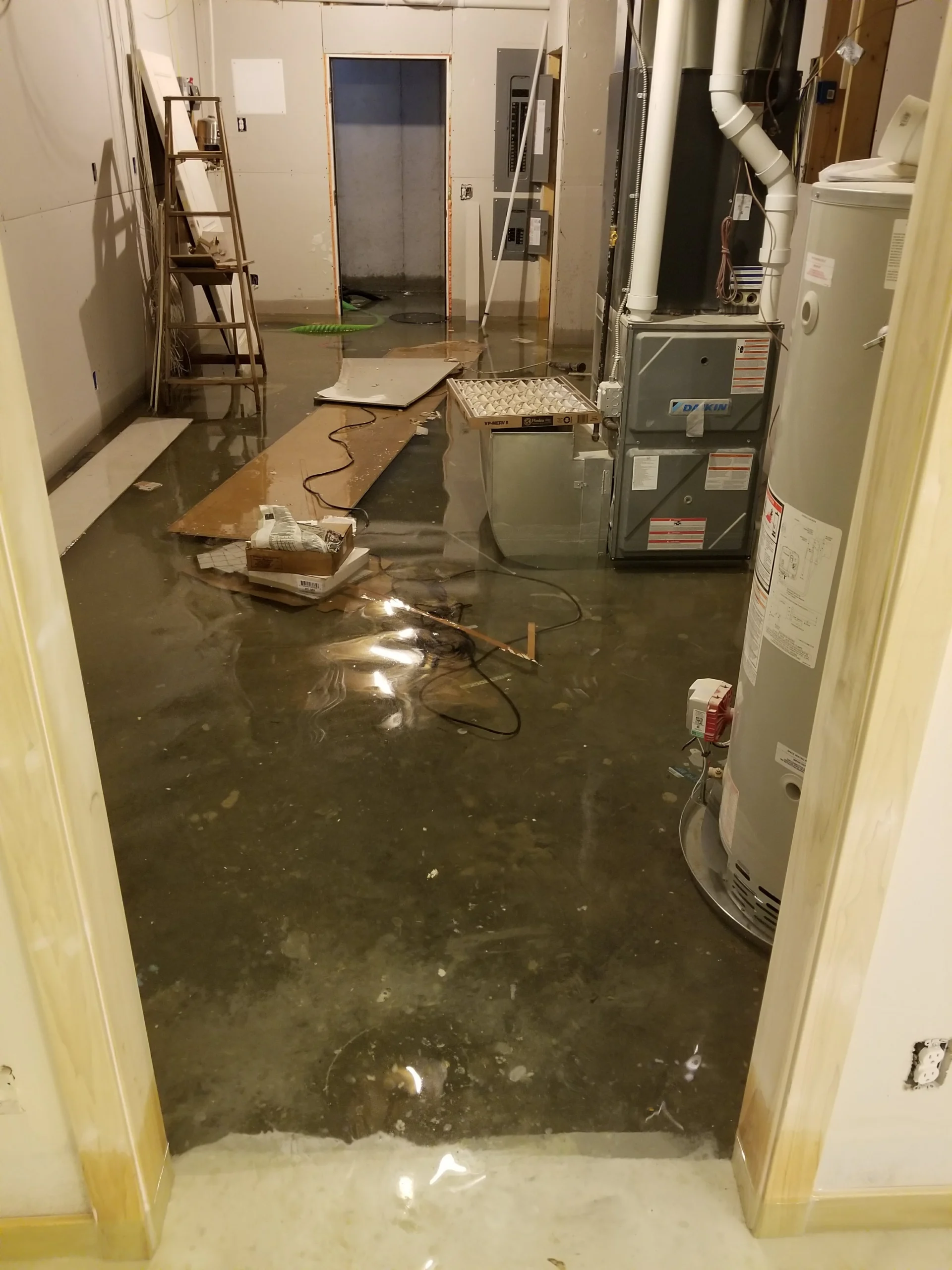
Flood cleanup after water damage must be handled carefully. Floodwater is often contaminated with soil, bacteria, insects, animal droppings, roadway runoff, and even fertilizers or pesticides from nearby yards and fields. Proper cleanup is essential to protect both your property and your health.
Use the following flood cleanup tips to reduce damage and prevent long-term issues.
Clean Thoroughly After a Flood
All affected areas must be cleaned thoroughly after flooding. Wall cavities and exposed building materials, such as studs and joists, should be properly cleaned and sanitized. In many cases, a professional-grade disinfectant solution is required to remove bacteria and contaminants left behind by floodwater.
Prevent Mold Growth
Mold can begin growing within just a few days after flooding. Mold thrives in moist environments and feeds on organic materials like drywall, paper, and wood. To reduce the risk of mold growth:
-
Keep air circulating with fans and air movers
-
Maintain proper indoor temperatures
-
Remove wet and damaged materials quickly
Failing to control moisture early can lead to serious mold and indoor air quality problems.
Dry Out Before Reconstruction
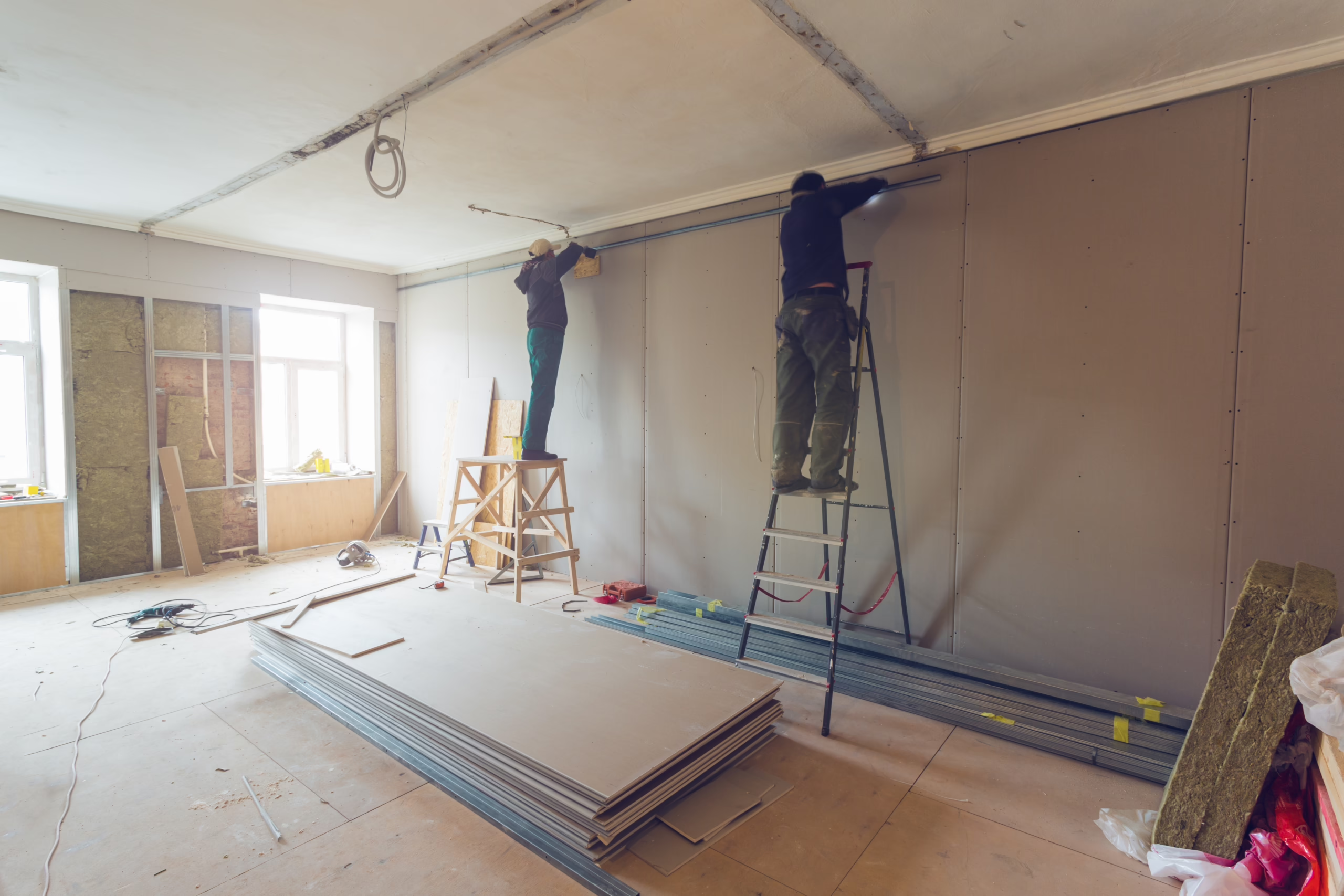
Before rebuilding or repairing a flooded property, all materials must be completely dried. Reconstructing over wet building materials can lead to dry rot, persistent odors, and long-term structural damage. Moisture levels should be tested to confirm materials are dry before walls, floors, or finishes are replaced.
When to Hire a Professional Flood Cleanup Company
Flood cleanup can be complex and hazardous. A professional water damage restoration company has trained flood damage technicians, specialized cleaning agents, moisture meters, and advanced drying equipment. Their experience and technical knowledge help ensure flood cleanup is done efficiently, safely, and correctly, reducing the risk of mold, odors, and future structural problems.
Flood Clean Up TIPS
- Water damage can originate from many different sources, such as sump pump failure, hot water heater leak, broken pipe, cracked pipe, pipe freeze, washing machine overflow and natural flooding from bad weather. Hire a good plumber to repair.
- Most damage caused by bad weather (floods, snow, rain & ice) is considered flood damage and may not be covered by homeowners insurance.
- You should check with your insurance agent regarding insurance coverage for a flood.
- Certain areas are prone to rising waters, take precautions, and be sure to dry flooded areas as soon as possible..